At the dawn of the 21st century, portable music was still dominated by the clunky, tape-based Walkman and disc-playing CD players. While revolutionary in their time, these devices were bulky, fragile, and limited in the number of songs they could hold. Apple entered this crowded market with a vision to transform the way people experienced music — a vision that culminated in the introduction of the iPod in 2001. This sleek, minimalist device would do more than just play music; it would redefine personal entertainment and set Apple on a course to reshape mobile technology forever.
The iPod’s launch was more than just a new product release; it was a statement. Steve Jobs and his team prioritized simplicity, design, and user experience at a time when most digital music players were complex and difficult to navigate. The iconic click wheel, which allowed users to scroll effortlessly through thousands of songs, was not just a technological innovation but a symbol of intuitive design. The iPod was a perfect blend of form and function, housed in a compact aluminum body that felt premium in the hand.
Perhaps the most groundbreaking feature of the iPod was its storage capacity. Early models could hold up to 1,000 songs in a device smaller than a deck of cards. This storage revolution was enabled by the integration of hard disk drives instead of flash memory, which was less affordable and limited at the time. This shift allowed users to carry their entire music libraries with them, effectively eliminating the need for physical media.
The iPod’s success was also closely tied to the launch of iTunes, Apple’s software designed to organize, purchase, and sync music to the device seamlessly. The iTunes Store, launched in 2003, was the first legal online platform to sell individual songs for 99 cents each, forever changing the music industry and challenging the dominance of piracy.
Beyond technology, the iPod became a cultural icon. The white earbuds and the sleek device featured in countless advertisements quickly became synonymous with a new era of personal music consumption. Apple had created not just a device, but a lifestyle accessory — one that would pave the way for the mobile technology revolution.
How the iPod Laid the Foundation for Mobile Computing
While the iPod was initially just a music player, its introduction marked a pivotal shift in how consumers interacted with digital content and portable technology. It wasn’t simply about playing songs; it was about portable, digital media consumption on a scale never seen before. This concept set the stage for the next leap forward in mobile computing — the smartphone.
The iPod introduced millions of users to the concept of syncing data between a computer and a portable device, bridging the gap between desktop and mobile in a way few had done before. It familiarized consumers with the idea of carrying a personal digital assistant in their pockets, albeit initially limited to music. This familiarity would become essential when Apple expanded its ambitions beyond music.
Technologically, the iPod accelerated Apple’s expertise in designing compact, efficient hardware with exceptional battery life and a user-friendly interface. These skills directly influenced the development of future mobile devices. Apple’s mastery in creating a seamless hardware-software ecosystem, refined with the iPod and iTunes, became the blueprint for future innovations.
Moreover, the iPod cultivated an ecosystem of accessories and software that enriched the user experience. Docking stations, speaker systems, and software tools for organizing music helped Apple understand the importance of integrating hardware and services — a lesson that would prove invaluable.
Apple’s emphasis on design as a key differentiator reshaped consumer expectations. The company demonstrated that technology products could be both highly functional and aesthetically pleasing. This shift was crucial as the market evolved from simple gadgets to essential lifestyle tools.
The iPod’s success also validated Apple’s bold approach to entering markets dominated by established players. It showed that innovation combined with excellent marketing could disrupt industries and create new ones. This newfound confidence and proven business model laid the groundwork for the next transformative device.
The Leap to the iPhone: Integrating Music and Communication
By the mid-2000s, the landscape of mobile communication was rapidly changing. Smartphones existed but were clunky, difficult to use, and lacked the elegance and functionality that modern users demanded. Apple’s experience with the iPod and the growing ubiquity of mobile phones created a unique opportunity. The question was no longer whether a device could play music and make calls, but how these functions could be integrated into a single, revolutionary product.
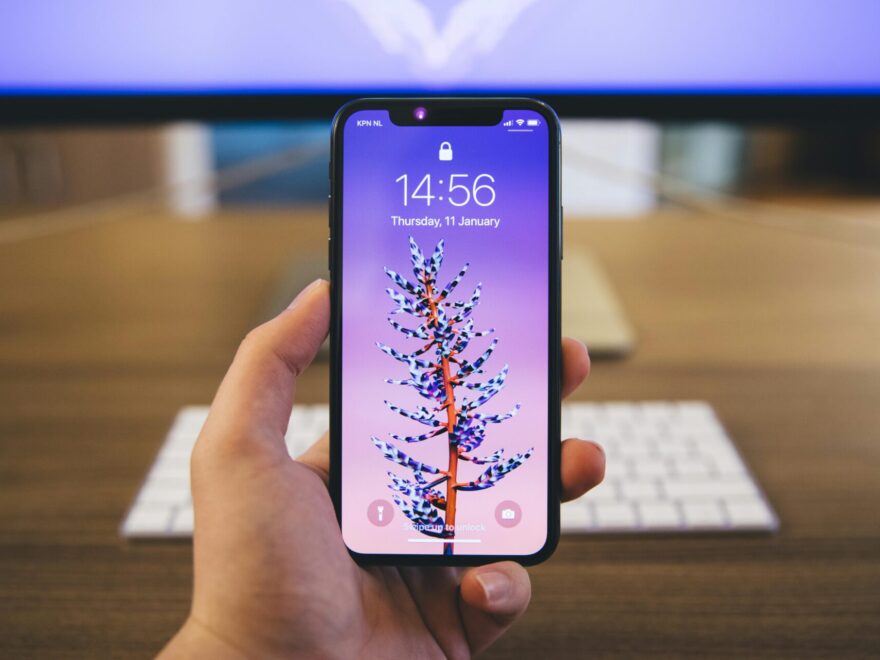
The iPhone, launched in 2007, was the result of years of development and iteration. At its core, the iPhone was a mobile phone, but Apple made it clear from the start that it was much more than that. The iPhone combined the power of a computer, a music player, a phone, and an internet device into one seamless experience. This integration was unprecedented and redefined what users expected from a mobile device.
Apple’s decision to incorporate the iPod’s music functionality into the iPhone was not accidental; it was a strategic masterstroke. The iPhone came preloaded with a music player app that retained the simplicity and elegance users loved from the iPod. This continuity ensured that iPod owners could transition smoothly to the new device without losing the features that made their portable music experience special.
The multi-touch interface on the iPhone was revolutionary. Swiping, pinching, and tapping replaced physical buttons and styluses, making navigation intuitive and fluid. The large touchscreen not only enhanced media consumption but also enabled the emergence of a vibrant app ecosystem that could expand the device’s functionality far beyond music and calls.
The iPhone’s release disrupted several industries simultaneously: mobile phones, portable music, gaming, and even computing. By bringing these elements together in a single device, Apple created a mobile revolution that forever changed how people accessed information, communicated, and entertained themselves.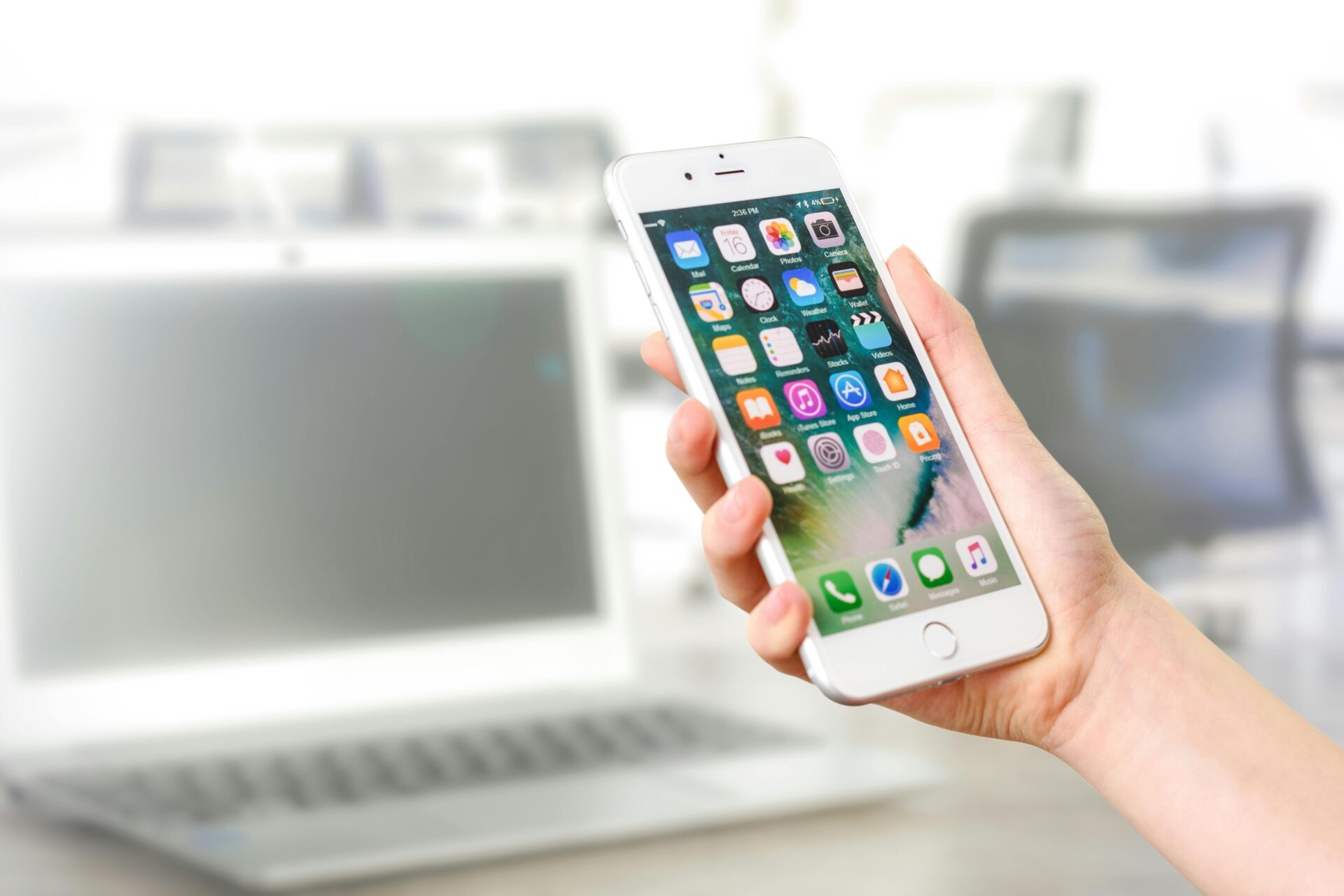
Additionally, the App Store, launched in 2008, built on the iTunes Store’s success by creating a platform where developers could create and distribute software directly to millions of users. This created an unprecedented explosion of innovation and customization, turning the iPhone into a versatile tool for business, creativity, and social connection.
The Enduring Legacy: How the iPod Sparked a Technological and Cultural Shift
Looking back, the iPod’s impact extends far beyond the music industry. It served as the catalyst for Apple’s transformation from a niche computer manufacturer into a dominant force in consumer electronics and mobile computing. The device taught Apple how to combine hardware, software, and services into a cohesive user experience — a formula that remains at the heart of the company’s success today.
The iPod also shifted the way people consumed media. By making music portable, digital, and accessible on demand, it changed listening habits and expectations forever. This shift led to the rise of streaming services and on-demand media platforms that dominate today’s entertainment landscape.
Culturally, the iPod helped define the 2000s. It was more than just a gadget; it was a symbol of personal freedom and technological progress. The device and its iconic white earbuds became a statement of identity, creativity, and lifestyle. It also laid the foundation for Apple’s reputation as a trendsetter in design and innovation.
Moreover, the transition from iPod to iPhone illustrates how incremental innovations can build upon one another to spark revolutionary change. The iPhone did not emerge from thin air; it was the result of lessons learned from the iPod’s success and limitations. This approach to innovation — combining refinement with bold leaps — continues to guide Apple and many other technology companies today.
The iPod’s legacy lives on not only in Apple’s products but in the entire mobile technology ecosystem. It proved that a single well-designed device could disrupt entire industries and create new markets. The iPod-to-iPhone journey exemplifies how technology can reshape daily life, connecting people to their world in ways previously unimaginable.
Conclusion: From Simple Tunes to a Connected World
The story of the iPod evolving into the iPhone is a powerful narrative about innovation, vision, and the profound impact technology can have on society. What began as a revolutionary portable music player ultimately sparked a mobile revolution that transformed communication, entertainment, and computing. Apple’s genius was not only in creating devices but in envisioning how those devices could fit seamlessly into people’s lives.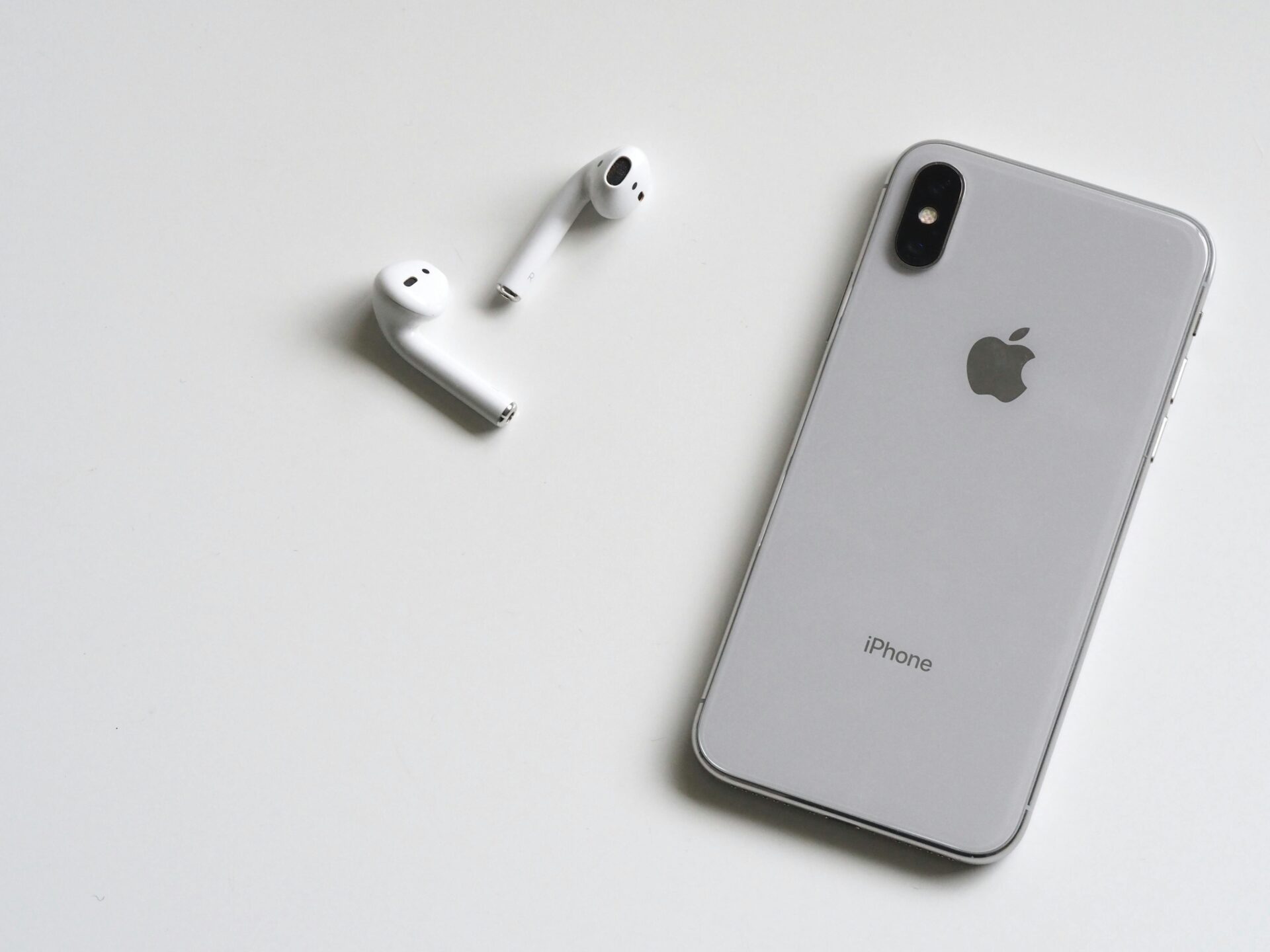
The iPod’s focus on simplicity, design, and user experience created a blueprint that shaped the future of mobile technology. By integrating music playback with phone and internet capabilities, the iPhone became more than a device — it became a cultural phenomenon, changing how millions of people interact with the world.
Today’s smartphones owe much to the foundations laid by the iPod. The journey from a white music player to a powerful, multifunctional device illustrates how bold innovation, combined with thoughtful design and ecosystem development, can redefine industries and society itself. As technology continues to evolve, the legacy of the iPod and the mobile revolution it sparked will remain a testament to the power of visionary thinking and relentless pursuit of excellence.