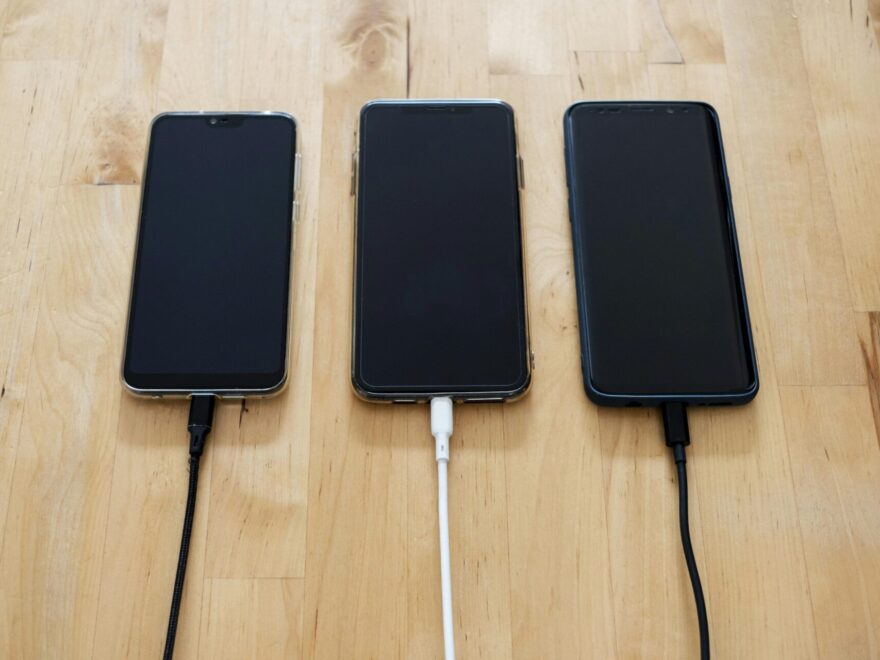
In the past decade, smartphone technology has advanced at a breathtaking pace, transforming the way we communicate, work, and entertain ourselves. Yet, despite the astonishing evolution of mobile devices, one aspect remains frustratingly outdated: charging. For many users, the constant need for cables, adapters, and outlets is a persistent inconvenience. The question on everyone’s mind is whether the era of wired charging will ever come to an end. With rapid developments in wireless technologies, battery chemistry, and power transmission, the future promises possibilities that were unimaginable only a few years ago. However, achieving a truly cable-free experience presents technological, logistical, and economic challenges that extend far beyond simply removing the physical cord.
The discussion around eliminating cables touches on multiple facets of modern life. From environmental considerations to consumer convenience, the drive toward cable-free charging intersects with global trends in sustainability, portability, and efficiency. Wireless charging is no longer a novelty—it is a growing necessity in a world where mobility defines how we live and work. As smartphones become more integral to daily life, charging infrastructure must evolve to meet these demands. Understanding the trajectory of wireless technology, the limitations of current approaches, and the innovations on the horizon provides valuable insight into whether we can realistically expect a future in which cables are obsolete.
The Rise of Wireless Charging Technologies
The most visible step toward eliminating cables has been the development of wireless charging technology. Known formally as inductive charging, this method uses electromagnetic fields to transfer energy from a charging pad to a compatible device. Introduced commercially in smartphones in the mid-2010s, wireless charging has steadily grown in popularity, largely due to its convenience. Users can simply place their device on a pad without fussing with connectors, reducing wear on charging ports and adapters. Inductive charging represents the first real step toward a cable-free lifestyle, offering a glimpse into a future where energy flows seamlessly into devices without physical connections.
Despite its promise, wireless charging currently faces significant limitations. Inductive systems require close alignment between the charger and the device, limiting mobility during charging. Charging speeds are often slower than wired alternatives, particularly with high-capacity batteries found in modern smartphones. Furthermore, heat generation can be a concern, potentially affecting battery lifespan if devices are consistently charged wirelessly at high power. As a result, many users still rely on traditional cables for rapid top-ups, while wireless pads are relegated to overnight charging or convenience-based use. Some tech enthusiasts even showcase their setups online, pairing gadgets with lifestyle accessories like cowboy snapbacks for a unique aesthetic. Nevertheless, the technology is rapidly evolving. Advances in coil design, resonance-based charging, and multi-device pads suggest that future wireless chargers could become faster, more efficient, and capable of powering multiple devices simultaneously.
Beyond smartphones, wireless charging has expanded into other domains, such as wearable devices, laptops, and electric vehicles. This cross-industry adoption highlights the potential for a unified charging ecosystem, where cables become increasingly optional rather than essential. The integration of wireless charging into public spaces, furniture, and vehicles signals a future where energy transfer is embedded seamlessly into everyday life, reducing dependency on individual cords and adapters. As innovation continues, the shift from niche convenience to mainstream necessity appears increasingly feasible, though several hurdles must still be overcome to achieve true cable independence.
Emerging Technologies: From Resonant Charging to Energy Beaming
While inductive charging represents the current mainstream approach, researchers are exploring more advanced technologies that could eliminate the need for cables entirely. Resonant wireless charging, for example, extends the effective range of energy transfer by using tuned electromagnetic resonance. Unlike traditional inductive chargers, which require precise alignment, resonant systems can deliver power over distances of several meters, allowing devices to charge while merely in the vicinity of a power source. This technology promises a more flexible and user-friendly approach, potentially allowing for cable-free energy flow in homes, offices, and public spaces. Similarly, innovations in automotive care, such as paint correction in Carlsbad, CA, are leveraging advanced techniques to achieve flawless finishes with minimal effort.
Energy beaming is another frontier that could redefine phone charging. Using focused beams of electromagnetic energy, devices could theoretically draw power from a distant source without physical contact. This approach faces significant technical and regulatory challenges, including ensuring safety for humans and animals, avoiding interference with other electronics, and achieving efficient energy transfer over practical distances. Nonetheless, early prototypes and experimental demonstrations suggest that this concept is more than science fiction. Companies and research institutions are actively investigating methods to make energy beaming commercially viable, potentially laying the groundwork for truly wireless power networks in the future.
Battery chemistry is also an integral component of this transformation. Advances in fast-charging batteries, solid-state cells, and energy-dense materials could reduce dependency on physical connections by enabling devices to hold more power and recharge more efficiently. Combining advanced batteries with wireless energy transfer methods could create a future in which smartphones remain powered almost continuously without the need for cords. Such developments would not only enhance convenience but could also extend the lifecycle of devices by reducing wear on charging ports and connectors, addressing a persistent frustration for many users.
The Practical and Economic Barriers to Cable Elimination
Despite the promise of wireless technologies, achieving a truly cable-free world faces numerous practical and economic obstacles. First, the infrastructure required to support widespread wireless charging remains limited. Public spaces, offices, and homes are not yet universally equipped with advanced charging pads or energy beaming systems. Upgrading infrastructure on a global scale would require significant investment and standardization, as well as cooperation across technology companies and energy providers. Without widespread infrastructure, consumers will continue to rely on traditional cables for reliable, high-speed charging.
Another challenge lies in efficiency and cost. Wireless systems, particularly resonant and beaming approaches, currently suffer from energy losses that make them less efficient than wired charging. This inefficiency translates into higher energy consumption, longer charging times, and potential heat management issues. For everyday users, these factors can be a significant deterrent, as convenience alone cannot outweigh performance or cost concerns. Moreover, producing and distributing advanced wireless charging hardware can be expensive, limiting accessibility, especially in developing regions where affordability is crucial. Until these economic and technical challenges are addressed, cables are likely to remain a part of the charging ecosystem, even if their role diminishes over time.
Compatibility is another barrier. Smartphones, tablets, wearables, and other portable devices come in a variety of shapes, sizes, and charging standards. Achieving a unified, cable-free solution that works seamlessly across devices requires significant coordination among manufacturers and adherence to common standards. Without universal protocols, the vision of completely eliminating cables may remain aspirational, as users would still face fragmented systems and proprietary charging solutions. Consumer behavior, regulatory hurdles, and technological fragmentation all contribute to the complexity of achieving a cable-free charging future.
Environmental and Lifestyle Implications
The push toward cable-free charging is not just about convenience; it also has significant environmental and lifestyle implications. Charging cables, adapters, and ports contribute to electronic waste, particularly when they wear out or become incompatible with newer devices. Transitioning to wireless or cable-free systems could reduce the number of physical components manufactured and discarded, contributing to a more sustainable ecosystem. Fewer cables mean less plastic, fewer metals, and a smaller environmental footprint, aligning with broader global efforts to reduce electronic waste and promote sustainable technology consumption.
From a lifestyle perspective, eliminating cables would enhance mobility, reduce clutter, and allow for more seamless integration of technology into daily life. Public spaces, cafes, vehicles, and even furniture could become energy-enabled environments, allowing devices to charge automatically without conscious effort. This would enable users to remain connected and powered without planning around outlets or adapters, supporting increasingly mobile and flexible work and leisure patterns. Moreover, a cable-free future could simplify device design, making smartphones thinner, more water-resistant, and aesthetically cleaner, as physical charging ports could be minimized or removed entirely.
However, environmental benefits must be balanced against the energy demands of wireless systems, which currently exhibit higher losses compared to direct wired charging. Engineers must optimize these systems to ensure that convenience does not come at the cost of excessive energy consumption or environmental degradation. Sustainable wireless charging technologies will require innovations in efficiency, infrastructure, and energy management to fulfill their potential without unintended ecological consequences.
Conclusion: The Likely Path Toward a Cable-Free Future
The future of phone charging is poised for remarkable change, but the complete elimination of cables remains a complex challenge. Wireless technologies, from inductive pads to resonant charging and energy beaming, offer promising pathways to cable-free energy transfer, yet significant technical, economic, and logistical hurdles remain. Infrastructure, efficiency, compatibility, and regulatory concerns will shape the pace and extent of adoption. Nonetheless, the trajectory is clear: devices are increasingly capable of charging without direct cords, and consumer demand for convenience, sustainability, and integrated technology will continue to drive innovation.
Achieving a truly cable-free ecosystem may not happen overnight, but incremental progress suggests that we are moving steadily in that direction. As battery chemistry, wireless technology, and infrastructure converge, smartphones and other portable devices may eventually remain powered almost continuously, with minimal reliance on traditional cables. While cords may not disappear entirely in the immediate future, their role will likely diminish, replaced by seamless, integrated energy solutions that redefine how we interact with technology. The dream of eliminating cables for good may not be far-fetched—it is a question of technological refinement, industry cooperation, and societal adaptation in the coming decades.