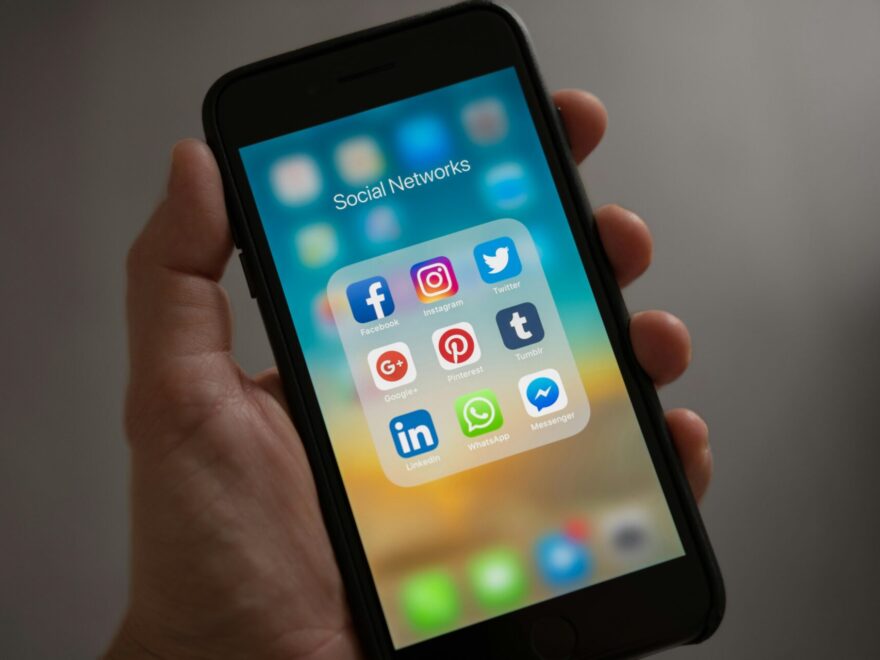
The iPhone app market has undergone a profound transformation since the early days of the App Store. Initially dominated by one-time purchases and free apps, the ecosystem has shifted toward subscription-based models, fundamentally altering the way developers earn revenue and how users interact with apps. This evolution reflects broader trends in technology, consumer behavior, and media consumption, demonstrating the power of subscription culture to reshape entire digital markets. From the proliferation of streaming services to the rise of productivity tools, the iPhone app economy illustrates both the benefits and challenges of this cultural shift.
At its inception in 2008, the App Store offered users a straightforward transaction model: download an app for a one-time fee or use a free version with ads. While this model allowed apps to reach a large audience quickly, it created significant revenue volatility for developers. Many apps had a short lifespan, generating only a brief surge of income upon release before fading from public attention. Subscription models provided a solution to this instability, offering developers predictable, recurring revenue while encouraging ongoing engagement with their products. By paying a monthly or yearly fee, users gain access to premium features, ad-free experiences, or continuously updated content, creating a mutually beneficial arrangement.
The rise of subscription-based apps reflects a broader shift in consumer expectations. Users have grown accustomed to paying for ongoing access to entertainment, information, and productivity tools rather than owning a product outright. Platforms such as Spotify, Netflix, and Dropbox helped normalize recurring payments, preparing consumers for similar models in the mobile app ecosystem. iPhone users quickly adapted, demonstrating a willingness to subscribe to apps that provide consistent value. This change in behavior incentivized developers to focus on long-term user retention rather than one-off downloads, leading to innovations in app design, user experience, and content delivery.
The introduction of subscriptions also reshaped the competitive landscape of the App Store. Developers now compete not only to attract new users but also to retain subscribers over time. Apps like productivity suites, meditation tools, and fitness programs have thrived in this environment by offering continuous updates, personalized experiences, and incentives for long-term engagement. The subscription model rewards developers who invest in ongoing improvements and fosters a culture of sustained quality. Conversely, apps that rely solely on one-time purchases often struggle to maintain relevance, highlighting how subscription culture has shifted market expectations toward ongoing value creation.
Financial Implications for Developers and Apple
The adoption of subscription models has had significant financial implications for both developers and Apple. For developers, subscriptions provide a more reliable income stream compared to the unpredictable revenue generated by one-time purchases. While some users may hesitate to commit to a monthly fee, the model encourages longer-term engagement and higher lifetime value per user. Apps like Microsoft Office 365, Adobe Creative Cloud, and popular fitness platforms have demonstrated the power of this approach, generating substantial revenue by cultivating a loyal subscriber base. The predictability of subscription income allows developers to plan more strategically, invest in new features, and improve customer support, ultimately enhancing the overall quality of the app ecosystem.
Apple has also benefited enormously from the shift toward subscriptions. The company takes a standard 30% cut of App Store transactions, though this rate drops to 15% for subscriptions that are maintained beyond the first year. This structure incentivizes developers to pursue recurring revenue models, creating a steady stream of income for the platform. Subscriptions have become one of the most profitable segments of the App Store, contributing to Apple’s position as a dominant force in mobile software. By promoting subscription models, Apple ensures a continuous flow of revenue while simultaneously encouraging developers to enhance the longevity and quality of their apps.
The financial impact extends beyond individual apps. Subscription culture has contributed to the emergence of “app-as-a-service” business models, where the focus shifts from selling software to providing ongoing digital services. This approach transforms the relationship between developers and users, emphasizing long-term engagement, continuous updates, and community building. In some cases, developers have reported that subscription-based revenue exceeds what they could have earned through traditional purchase models, even for niche apps. For Apple, these arrangements create a virtuous cycle: successful subscription apps attract more users, which in turn generates more revenue for the platform, further incentivizing developers to adopt recurring payment structures.
However, the financial implications are not universally positive. Some smaller developers struggle to compete in a market dominated by subscription-based giants. The pressure to maintain ongoing updates and provide continuous value can strain resources, particularly for indie developers or niche apps. Critics argue that the model can create barriers to entry, privileging well-funded companies while potentially marginalizing innovative but resource-limited creators. Despite these challenges, the financial incentives for both developers and Apple have cemented subscriptions as a core component of the iPhone app market.
Changes in User Behavior and Expectations
Subscription culture has not only affected revenue models; it has fundamentally altered user behavior and expectations. Before subscriptions became widespread, users primarily focused on acquiring as many apps as possible, often for free or with a single purchase. Today, users evaluate apps through the lens of ongoing value and convenience. The decision to subscribe is no longer solely about cost—it is about whether the app justifies repeated payments through regular updates, exclusive content, or enhanced functionality. This shift has elevated user expectations, compelling developers to prioritize quality, innovation, and long-term engagement strategies.
The subscription model also encourages users to form deeper relationships with apps. Fitness and wellness apps, for example, often include progress tracking, personalized coaching, and community features that reward continued use. Productivity apps, meanwhile, offer integrated workflows, cloud synchronization, and collaboration tools that grow more useful over time. Users are incentivized to maintain subscriptions because ongoing engagement enhances the value they receive, creating a cycle where both parties benefit. This relationship-driven model marks a departure from the disposable nature of one-time apps, where users may abandon software once initial excitement fades.
Another notable change is the way subscription culture influences app discovery and decision-making. App Store search results and featured sections increasingly highlight apps with strong retention metrics and high user satisfaction, which often correlate with subscription success. Consumers are more likely to explore apps that offer trial periods, freemium models, or other subscription incentives, demonstrating a willingness to invest in experiences rather than mere products. This behavior fosters a more discerning user base, shaping the types of apps that succeed and reinforcing the importance of sustained quality and engagement.
However, the subscription model is not without friction. Many users experience “subscription fatigue,” feeling overwhelmed by multiple recurring payments for apps, media services, and digital tools. Developers must carefully balance value delivery with pricing to avoid churn, while users weigh their budgets against the benefits of continued access. Despite these challenges, the cultural shift toward subscriptions has transformed the fundamental expectations of the App Store, prioritizing continuity, quality, and ongoing interaction over ephemeral purchases.
Broader Cultural and Market Impacts
The rise of subscription culture in the iPhone app market reflects and reinforces broader societal trends. Consumers increasingly expect on-demand access, continuous updates, and personalized experiences across all digital platforms. The App Store is not merely a marketplace for apps; it has become a microcosm of subscription culture itself, influencing how people interact with technology, media, and services. This cultural shift has implications for competing ecosystems, as subscription models are replicated across Android, desktop software, and even hardware services.
Subscription culture has also affected pricing strategies and market segmentation. Developers now have opportunities to offer multiple tiers, bundle services, or integrate cross-platform access. Users can choose subscription levels that match their needs and budgets, resulting in a more nuanced and flexible market. These options have transformed the App Store from a transactional marketplace into a subscription ecosystem where engagement, retention, and lifetime value define success.
The dominance of subscriptions has also sparked debates around accessibility and fairness. While recurring payments provide benefits for developers and committed users, they may create barriers for those who cannot afford multiple subscriptions. Additionally, subscription fatigue can lead to disengagement, prompting developers to find creative ways to maintain value and loyalty. Despite these challenges, subscription culture has undeniably redefined the iPhone app market, establishing new norms for how software is monetized, designed, and experienced.
Ultimately, subscription models represent more than a business strategy—they reflect a shift in cultural attitudes toward digital consumption. Ownership is giving way to access, short-term transactions are replaced by long-term engagement, and apps are increasingly evaluated based on ongoing value rather than initial novelty. This transformation has created opportunities for innovation, strengthened the relationship between developers and users, and solidified Apple’s position as a dominant force in the digital economy.
In conclusion, the shift toward subscription culture has fundamentally altered the iPhone app market. Developers benefit from predictable revenue, increased innovation, and stronger user engagement, while Apple secures continuous platform income and encourages high-quality app development. Users, in turn, experience richer, more dynamic apps that evolve over time, fostering loyalty and satisfaction. Although challenges such as subscription fatigue and market barriers remain, the influence of subscription culture is undeniable, reshaping the expectations, behaviors, and strategies that define the modern iPhone app ecosystem. By examining these changes, it becomes clear that subscriptions are not merely a monetization tactic—they represent a cultural transformation that continues to shape the future of mobile software.